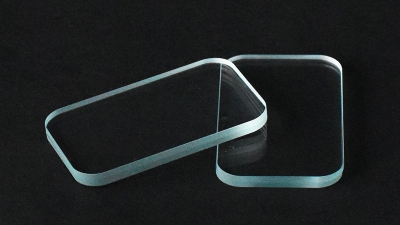
You know, the demand for really advanced display tech is just skyrocketing these days, which is pushing innovation across different types of optical coatings—especially Anti-Reflective Coatings (ARCs). I was reading a recent industry report, and it turns out that the global market for anti-reflective coatings is expected to hit around $11.4 billion by 2025. And honestly, a lot of that growth comes from how these coatings are being used more and more in consumer gadgets, cars, and even healthcare devices.

As someone who's been in the glass tech game for a while, Dongguan Fuxin Glass Technology Co., Ltd. has really been pushing the envelope over the past ten years. They focus on all sorts of glass types—like AB, AR, AF, and AM—to stay ahead of the curve as the display glass market keeps changing. Their dedication to R&D really shows—they’re always exploring new options that could make these coatings perform even better and open up new uses. It’s pretty cool to see their passion for coming up with cutting-edge solutions that really make a difference for their clients.
Emerging Technologies in Anti-Reflective Coatings for Optical Devices
The world of anti-reflective coatings is really buzzing with new innovations that are making a big difference in optical devices across different industries. You know, especially with the crazy rise of high-performance displays in AR and VR tech, there's been a surge of new materials and manufacturing tricks that are super important in this whole evolution. Market data lately shows that the global market for high refractive index coatings is set for some serious growth — we're talking big numbers ahead, fueled by ongoing advances in optical coating tech. By around 2033, this sector is expected to expand a lot, highlighting how much R&D investment is pouring into anti-reflective solutions.
Here at Dongguan Fuxin Glass Technology Co., Ltd., we’re really committed to pushing the boundaries in display glass. We’ve been focusing on cracking the code with advanced AG, AR, AF, and AM glass technologies. The goal? To keep up with what users want these days—better clarity and less glare in screens. As the scene of optical devices keeps changing, we’re all in on improving our coatings, making sure they’re ready for the future demands of AR, VR, and other cutting-edge industries. Basically, we’re excited to be part of this fast-moving wave of innovation!

Advancements in Material Science Driving Coating Performance
You know, the way material science is advancing right now is really shaking things up when it comes to anti-reflective coatings (AR coatings). They’re reaching new levels of performance and finding their way into all sorts of applications. Just recently, studies have shown that using high-index materials like titanium dioxide and zirconium dioxide can boost light transmission to over 99%. That’s pretty incredible — it means super clear optical products. This isn’t just good news for solar panels, which get a serious boost in efficiency, but also for glasses and screens, making the user experience way better.
And there’s more cool stuff happening. Innovations in nano-coating technology are making these coatings ultra-thin, tougher, and more resistant to the elements — think weather and everyday wear. I read a report from Grand View Research that says the market for AR coatings is expected to grow at about 8.2% annually from 2021 to 2028. That’s mainly because industries like telecom, automotive, and electronics are demanding higher-performance coatings. As scientists keep experimenting with new materials and ways to apply them, the potential for AR coatings to improve performance and user satisfaction really seems limitless right now.
Applications in Consumer Electronics: Enhancing User Experience
Looking ahead, the future of anti-reflective coatings is really exciting when it comes to making your experience with gadgets way better. As our devices become such a big part of everyday life, there's been this big push for screens that are clearer and easier to use, no matter where you are. Anti-reflective coatings are a game-changer — they cut down on glare and reflections, making screens much more comfortable to look at in different lighting conditions. Plus, with these coatings, devices can be made thinner and lighter, which is a huge win for ergonomics and just holding them feels more natural.
And it's not just about glare — with new tech like haptic feedback and a bigger focus on sleek design, anti-reflective coatings help create a more immersive, engaging experience with your gadgets. As the market for user experience software keeps growing, more companies are probably gonna pour resources into these kinds of innovations to make products that really click with what people want. All in all, the ongoing advancements in materials and coatings are set to shape the devices of tomorrow, making sure they’re more interactive, accessible, and just a lot more fun to use.
The Future of Anti Reflective Coating Innovation and Application - Applications in Consumer Electronics: Enhancing User Experience
| Application Area |
Coating Type |
User Benefit |
Innovation Focus |
| Smartphones |
Multi-layer High-performance Coating |
Improved Screen Visibility |
Durability and Scratch Resistance |
| Tablets |
Anti-Glare Coating |
Reduced Reflections |
User Comfort in Bright Environments |
| Laptops |
Nanostructured Coatings |
Enhanced Clarity and Texture |
Lightweight and Energy Efficient |
| Wearables |
Hydrophobic Coating |
Water Resistance |
Sustainability and Eco-friendliness |
| Virtual Reality Headsets |
Anti-Fog Coating |
Clear Vision During Use |
Innovative User Experience Design |
Anti-Reflective Solutions in Automotive and Aerospace Industries
You know, both the automotive and aerospace worlds are really leading the way when it comes to using anti-reflective (AR) coatings. These coatings are pretty game-changing—they make it easier to see clearly and help keep everyone safe, whether you're behind the wheel or flying high in the sky. In cars, for example, AR coatings are applied to windshields and screens, which cuts down on glare and pesky reflections that can distract drivers. Honestly, it’s not just about making things look nicer; it also boosts the performance of high-tech driver-assistance features (like ADAS), which need a crystal-clear view to work properly.

And in aviation? The importance of AR coatings gets even more obvious. Cockpit displays and key instrument panels use these coatings to help pilots keep track of navigation and stay safe during flights. Less reflection means they can grab critical info quickly without any visual distractions. As tech keeps improving—think multi-layer coatings or self-cleaning surfaces—the future looks pretty bright for these industries. They're heading towards safer travels and smoother operations. With high-tech displays becoming more common, developing better anti-reflective solutions is going to be a big deal for both cars and planes alike.
Sustainability in Coating Production: Eco-Friendly Innovations
Sustainability is really becoming a big deal in the world of anti-reflective (AR) coatings, especially as more industries look for greener, more eco-friendly ways to do things. Over here at Dongguan Fuxin Glass Technology Co., Ltd., we totally get how important it is to weave sustainable practices into our R&D. With over ten years of experience working with different kinds of glass technologies, we've been pushing ourselves to find new materials and methods that cut down on environmental impact — all while keeping the quality top-notch.
Right now, we’re working on some exciting projects to create eco-friendly AR coatings that not only boost visual clarity but also shrink the carbon footprint of their production. By using recyclable materials and adopting greener manufacturing techniques, Fuxin Glass is really leading the charge in changing up the display glass game. Sustainability isn’t just a trend for us — it lines up with global environmental efforts and also meets the rising demand for products that are both effective and responsible. At the end of the day, we want to do our part in shaping a better, greener future for glass technology.
Future Challenges and Opportunities in Coating Development
The rapid pace at which anti-reflective (AR) coatings are evolving really hits home for the industry. It’s a mixed bag of challenges and opportunities, especially with the rising demand for more advanced optical solutions. I recently came across a report from Grand View Research that predicts the global market for AR coatings could hit around $7.1 billion by 2025, growing steadily at about 7.3% per year. That’s pretty impressive, right? This growth is mainly fueled by how widely AR coatings are being adopted in electronics, auto industries, and healthcare. But of course, with all this progress comes the tricky part — making coatings that are not just better but also durable and high-performing. That’s easier said than done, especially when trying to develop the next-gen coatings.
One of the biggest hurdles? Creating superhydrophobic surfaces that still maintain crystal-clear transparency — which is crucial for gadgets and medical devices. On the bright side, integrating nanotechnology into these coatings shows a lot of promise. It could lead to super-thin layers that cut down glare and make screens easier to see. A report from Research and Markets suggests that using nanotech in coatings might even spark some serious innovation, creating new formulas that boost performance and are greener too. As everyone’s pushing for more eco-friendly manufacturing, embracing sustainable materials and production methods will definitely be a key piece of the puzzle moving forward.
Enhancing Optical Performance: Insights from Industry Reports on Custom Transmittance Glass Sheets with Double AR Coatings
In today's fast-paced technological landscape, the demand for high-performance optical materials has never been greater. Custom transmittance glass sheets with double anti-reflective (AR) coatings represent a significant advancement in this field. These innovative products cater to various industries, from electronics to architecture, by enhancing optical performance and providing superior visibility. The dual AR coatings not only reduce reflectivity but also improve light transmittance, making them ideal for applications where clarity and brightness are crucial.
Ultra-clear double-sided AR anti-reflective glass exemplifies the pinnacle of optical design, combining the benefits of ultra-clear glass with the sophisticated enhancements of dual coatings. Its low iron content contributes to exceptional clarity, while the proprietary AR film applied on both sides minimizes glare and reflections. This feature is especially beneficial in settings such as display technologies and solar panels, where maximizing light interaction is essential. By utilizing such advanced glass products, industries can achieve better performance, allowing for more vibrant displays and improved efficiency in energy applications.
As we continue to innovate and develop custom solutions for optical challenges, the insights from industry reports highlight the transforming potential of double AR coated glass. These products are not only about enhancing aesthetics but are also critical in driving functionality across various sectors, allowing businesses to leverage superior optical technologies to meet consumer demands and elevate user experiences.
FAQS
R) coatings used for in the automotive industry?
By reducing glare and reflections, AR coatings enhance the visual experience, which is crucial for the proper functioning of advanced driver-assistance systems that rely on clear visuals.
In aerospace, AR coatings are essential for cockpit displays and instrument panels, ensuring navigational accuracy and safety by reducing visual interference for pilots.
Future advancements may include multi-layer coatings and self-cleaning properties, contributing to safer travel and operational efficiency in automotive and aerospace sectors.
The global AR coatings market is expected to grow due to increasing demand in sectors such as electronics, automotive, and healthcare, projected to reach $7.1 billion by 2025.
The industry faces challenges in achieving superhydrophobic properties while maintaining optical clarity, which is particularly important for consumer products and medical devices.
The integration of nanotechnology into AR coatings may allow for the development of thinner, more efficient layers that improve visibility and reduce glare.
As the industry shifts toward greener manufacturing, the adoption of eco-friendly materials and processes will be crucial for overcoming future challenges in coating development.
The AR coatings market is anticipated to grow at a CAGR of 7.3% as it adapts to the increasing demand for advanced optical solutions.
Innovations like improved optical clarity and reduced reflections enhance navigational accuracy and visibility, thus supporting the safety of drivers and pilots.
Conclusion
In the fast-moving world of optics, anti-reflective coatings are really making waves, thanks to new tech and better materials. These coatings do a pretty amazing job at boosting how optical devices perform, especially in consumer electronics where they help cut down on glare and reflections—making the user experience way better. Companies like Dongguan Fuxin Glass Technology Co., Ltd. are really leading the way, working on specialized coatings like AR glass that are super important for display tech.
But it's not just about gadgets. Anti-reflective solutions are also a big deal in industries like automotive and aerospace, where clarity and safety are absolutely crucial. Plus, there’s a real focus on being eco-friendly these days, with new green innovations helping to make the production process more sustainable. Even though there are still some hurdles to overcome in perfecting these coatings, the opportunities for new breakthroughs are pretty exciting. All in all, this technology definitely has a bright future ahead.